Kevin Hankins found his way to the Environmental Youth Task Force (EYTF) as a high school sophomore during the pandemic, looking for a way to spend time outdoors. His first outing was a Dragonfly Mercury Project collection day at Lowell-Dracut-Tyngsboro State Forest, and he stayed with the program until he left for college. Today he is a fourth-year forestry and wildlife biology student at the University of Vermont. He spoke with us about his years with EYTF, his path into conservation, and his advice for the students who come next.
What drew you to forestry and wildlife biology, and what do you like to do outside of class?
I have spent my time at UVM learning about the complex systems that work together to sustain the ecosystems we call forests. I have a particular interest in non-native pest species and how they affect forest composition, such as the decline of the American chestnut caused by an introduced fungus.
In my spare time, I greatly enjoy nature walks, birdwatching, and biking. I also read a lot of nonfiction about animals, trees, and science in general.
What do you remember about that first Dragonfly Mercury Project outing, and which other EYTF experiences meant the most to you?
I remember arriving at Lowell-Dracut-Tyngsboro State Forest nervous about being in the woods with a group of people I did not know. However, everyone there, both the adults and people my age, was very kind, and it ended up being a wonderful day.
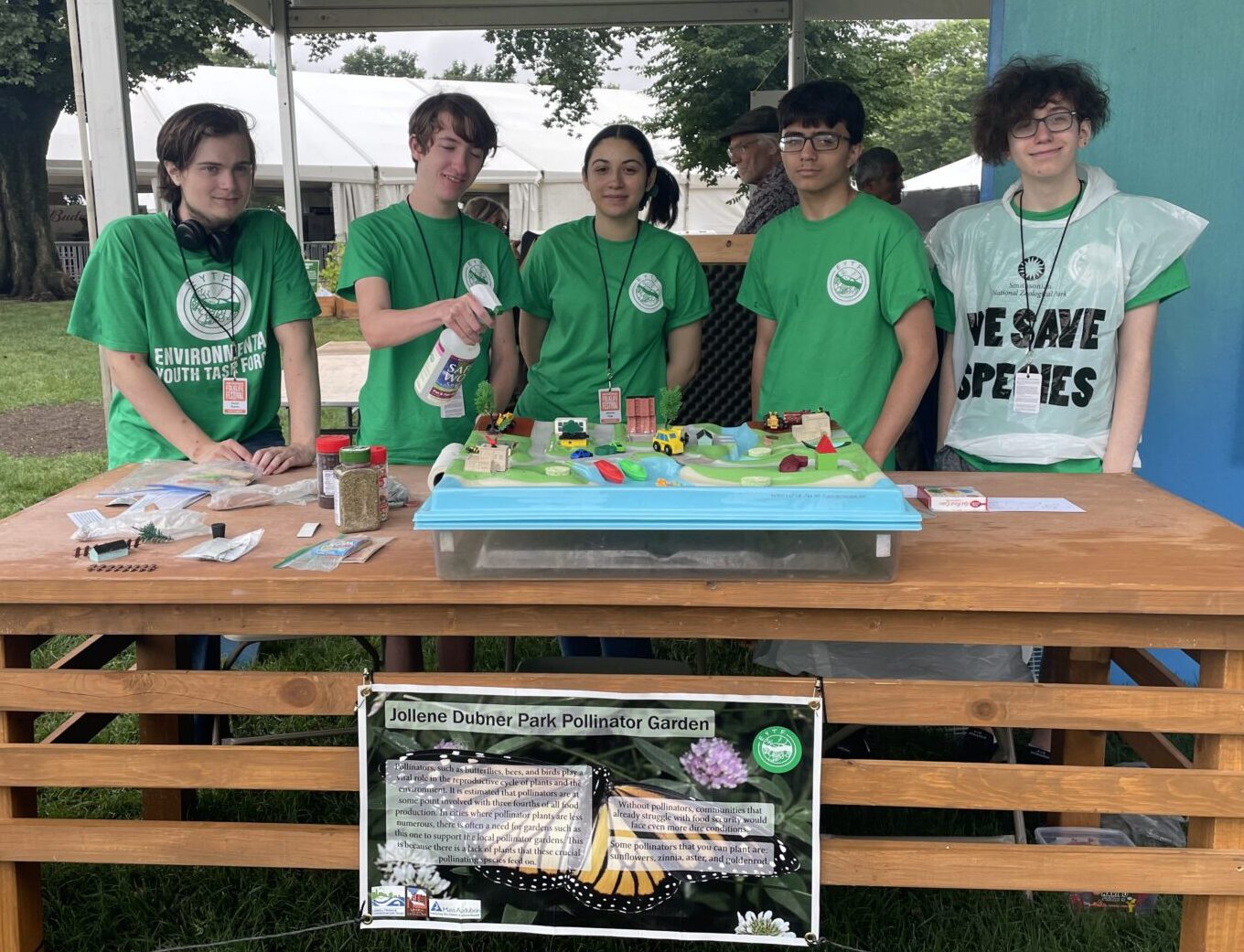
The times we worked to care for Jollene Dubner Park were also very special. So many people walking past who lived nearby expressed gratitude and excitement that we had planted so many lovely flowers and cleaned up the park. We had so many people helping us do the work, which felt really important to be a part of.
How did you get into birding and wildlife photography?
I really got invested in birding during the pandemic, when there was so little else to do. We had a hook for a bird feeder on our back fence, and my father finally bought us a feeder and a large bag of food. I tasked myself with taking care of it. Before that feeder, I had no idea how many species lived in our small suburban neighborhood, from the flocks of American goldfinches that always appeared together to the brilliantly colored cardinals that taught me how striking the differences between males and females of a species can be.
I had a small digital camera that I used to photograph the most exciting birds I saw, but I really stuck to the feeder until college, when I joined the birding club at UVM. The passion and love I found there inspired me to show up every week and learn more advanced bird identification.
What is next for you after graduation?
My plans after graduation are still developing and will depend on circumstances. Ideally, I will continue working seasonal summer technical positions in the field. It feels right to delay getting my master’s degree until I have enough life and field experience to know what I truly want to research.
I hope eventually to attend a program and live outside New England so I can experience more of the world and the different biomes, animals, and cultures that are out there.
Any final thoughts for younger students thinking about EYTF?
I think EYTF and programs like it will serve you best when you are able to show up and contribute to the work. Missing meetings because of personal events is inevitable and never something to chastise yourself for, but committing to do what you can alongside wonderful people is one of the greatest things you can do for your own personal growth.

 “Show up and participate!“