Get to Know the Natural World Right Outside Your Window
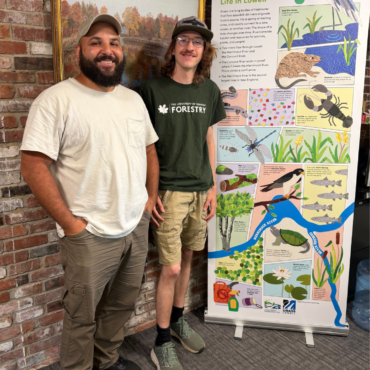
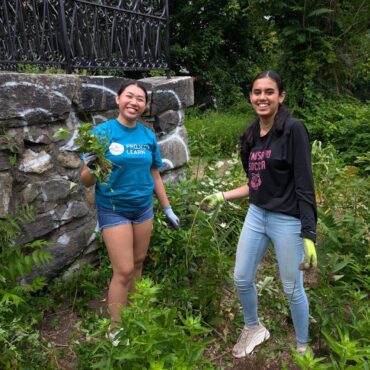
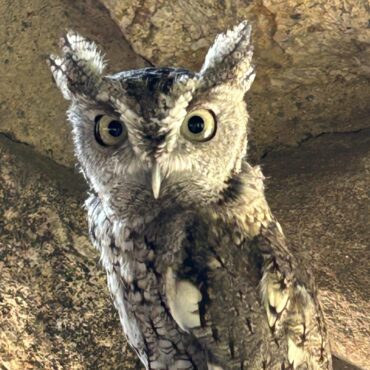
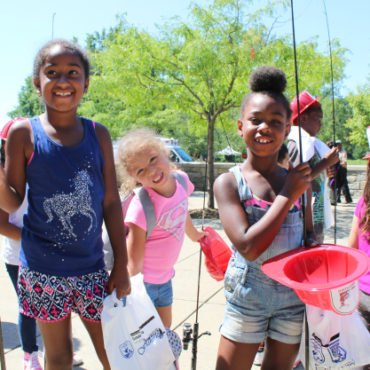
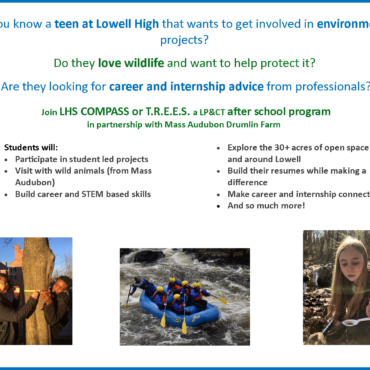
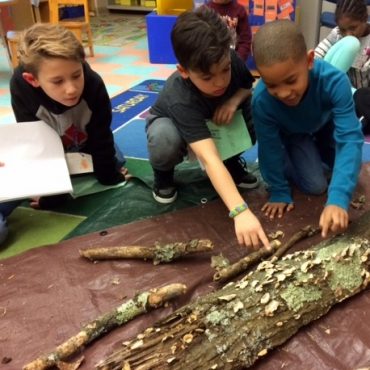
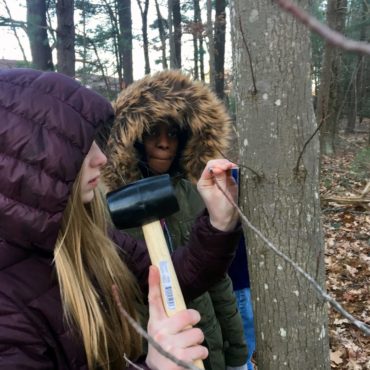
LP&CT’s conservation efforts go beyond land conservation to include engaging community scientists as volunteers who monitor Lowell’s unique plants and animals and help care for the urban tree canopy. LP&CT engages volunteers to support species-specific conservation work, foster tree equity across the city, spearhead ecological restoration projects along the river corridors, and reconnect fragmented waterways.
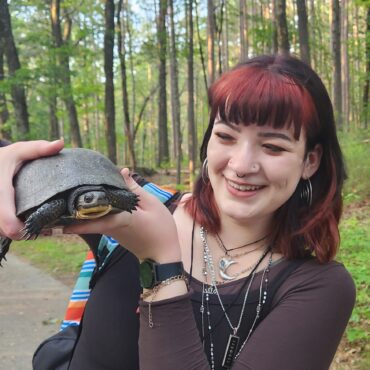
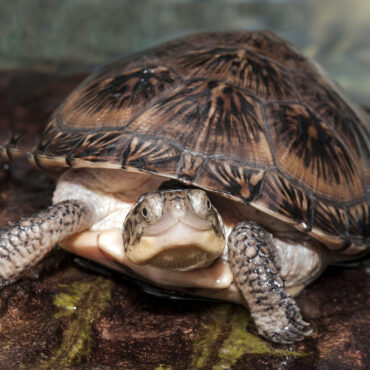
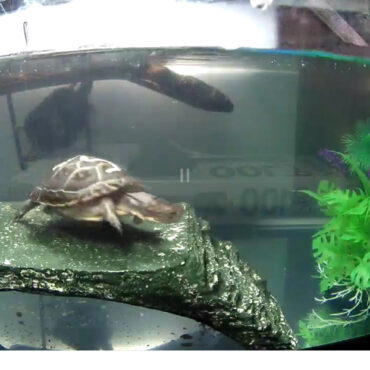
One example of these efforts, the Blanding’s Turtle Conservation Project, includes a turtle headstarting program in partnership with Zoo New England, local schools, and community volunteers. This program allows turtle hatchlings to be raised in captivity (short-term) to increase their chances of survival into adulthood.
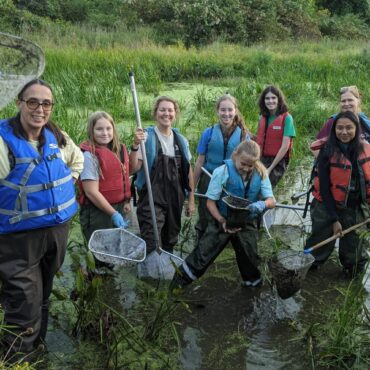
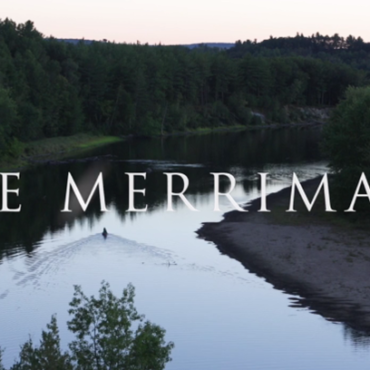
Another LP&CT conservation effort, the anadromous fish monitoring program, engages volunteers in monitoring the passage in Lowell of river herring (alewives) and other species in the Sudbury-Assabet-Concord River (SuAsCo) Watershed. These efforts enable LP&CT to better understand what kind of modifications are needed to allow for upstream fish passage at Centennial Falls in Lowell and the Talbot Mills Dam in Billerica. Opening up fish passage at the Talbot Mills Dam will allow a variety of species to access the entire SuAsCo Watershed – the largest untapped acreage of riparian (river-adjacent) habitat in all of New England.
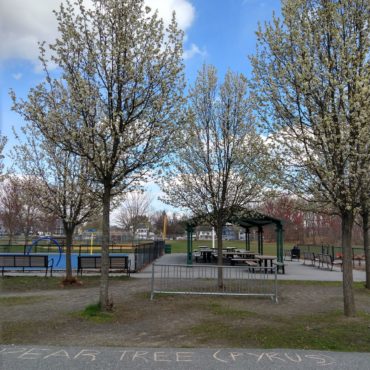
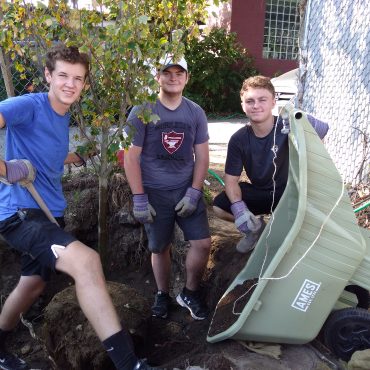
LP&CT’s impact is not limited to protected acreage; it also includes protecting the tree canopy. LP&CT, the City of Lowell, and the Massachusetts Department of Conservation and Recreation have partnered to plant trees where they are most needed in the city. In 2024, 657 large caliper trees were planted that provide much-needed shade and other benefits in vulnerable neighborhoods.