Butternut

The butternut tree (Juglans cinerea) is significant in both ecosystems and cultures. The tree provides food and habitat for a variety of species. Its bark, leaves, and nuts have been used for food, dye, and medicine by Indigenous Americans for generations. The wood is lightweight and resistant to rot, making it ideal for crafting furniture and other items. Unfortunately, these trees are endangered, threatened by diseases such as butternut canker and bunch rot.
Habitat: Butternut trees are found throughout New England, with exceptions to northwest Maine and Cape Cod. Its range encompasses the northern regions of the eastern United States. Butternut grows best on streambanks and well-drained soils.
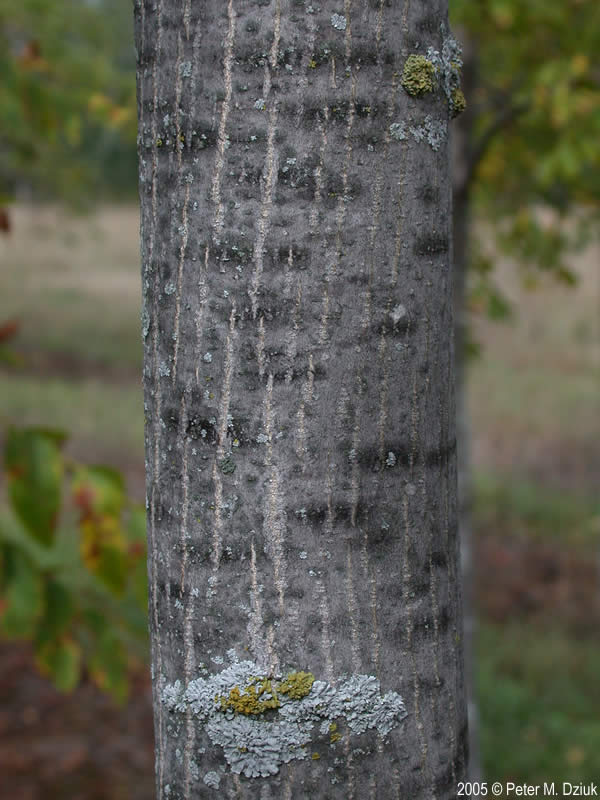
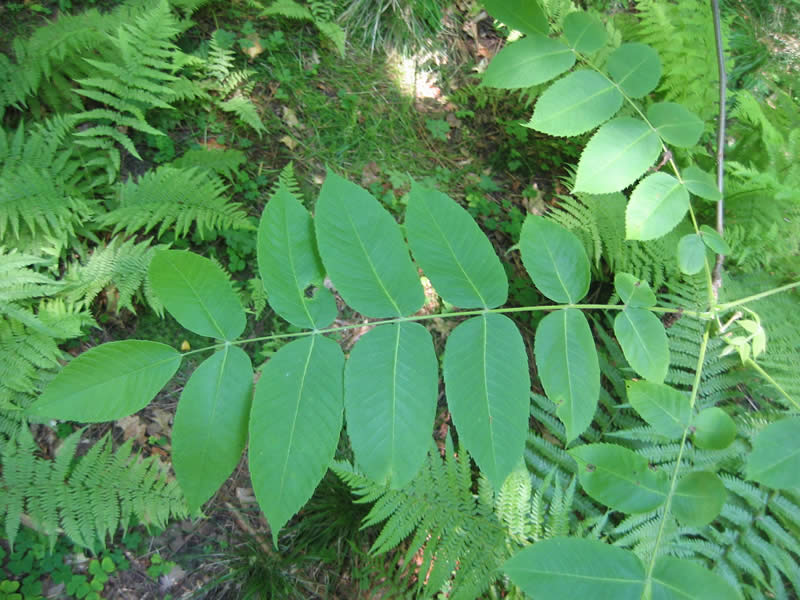
Form: At maturity, butternut grows to 40-60 feet, however some trees have grown past 100 feet. It has light gray bark, with a diameter between 16-31 inches. It is a slow-growing species and rarely lives longer than 75 years. Its leaves are pinnately compound, ranging from 16-28 inches long with 11-17 leaflets on each stem.
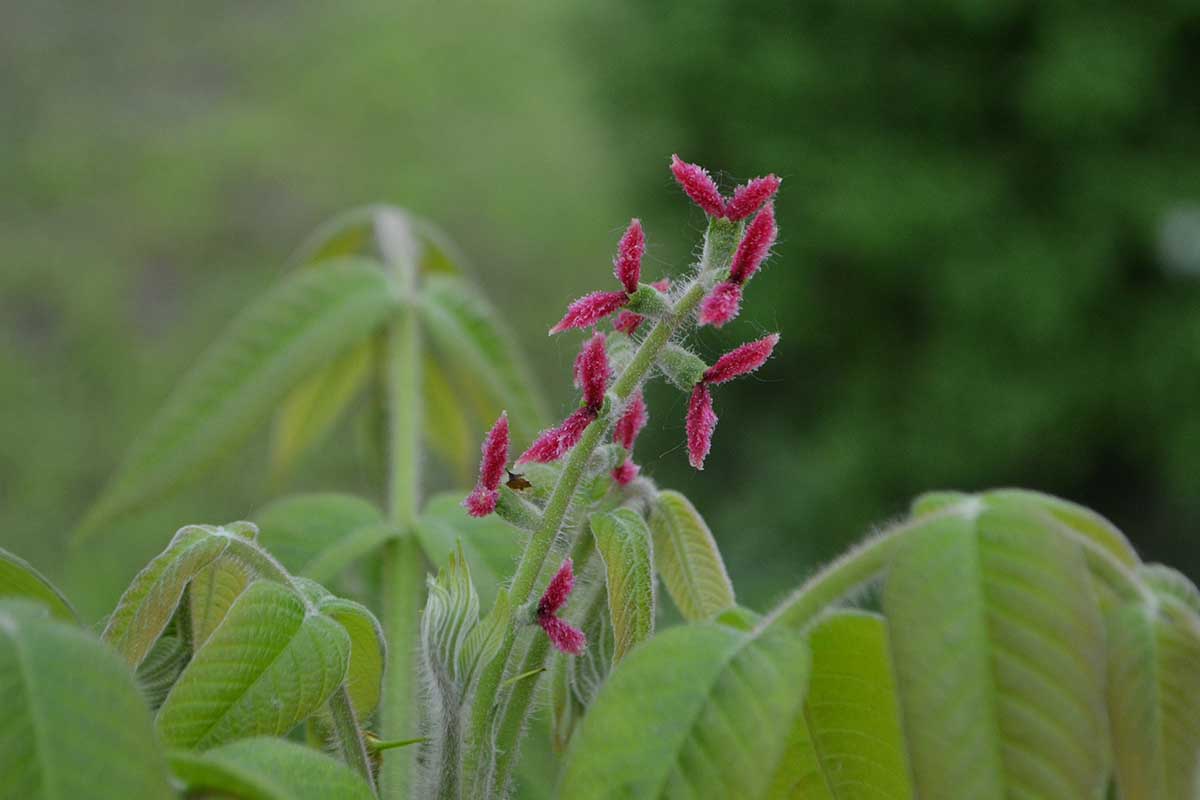
Flowers and Fruit: Butternut trees flower from April to June, depending on the location. Once pollinated, the flower develops into an oblong-ovoid pointed nut, which grows in clusters of two to five. When ripe, the outer husk of the nut will darken and begin to split. This occurs in September and October, however the fruit remains on the tree until after its leaves fall.
Faunal Associations: Butternuts are oil-rich, which makes it the favorite snack for many animals. Mice and squirrels especially enjoy munching on the fruit. Many insects, like weevils and bark beetles, eat the wood, fruit, leaves, and other parts of the tree.
Fun Fact! Sometimes referred to as a white walnut tree, butternut belongs in the same genus as black walnut. Like black walnut, butternut produces a chemical called juglone, which acts as a natural herbicide that prevents the growth of nearby plants. This reducing competition for resources like sunlight, water, and nutrients.
You can observe this rare species at Hawk Valley Farm!